


O cloro é um dos insumos mais importantes para a sociedade moderna, sendo essencial no tratamento de água, na indústria química e em processos de saneamento.
Presente em aplicações fundamentais para a saúde pública e para o funcionamento de diversos setores industriais, ele contribui diretamente para a qualidade de vida de milhões de pessoas todos os dias.
Ainda assim, sua reputação muitas vezes é associada apenas ao risco. Por se tratar de um produto que exige rigorosos protocolos de segurança em seu armazenamento, transporte e manuseio, o cloro costuma ser lembrado mais pelos desafios envolvidos em sua operação do que pelos benefícios indispensáveis que proporciona à sociedade.
Nesse contexto, discutir segurança, responsabilidade e boas práticas no transporte e na utilização do cloro é também reconhecer a importância desse insumo para o desenvolvimento industrial e para a manutenção de serviços essenciais.
Todavia, é importante partir da premissa de que o cloro só é perigoso quando não é manuseado, controlado e aplicado corretamente, como qualquer outro gás.
Boas práticas no setor de cloro: o que garante a segurança?
A segurança no setor de cloro não depende apenas da atuação do operador, mas de todo um sistema estruturado que envolve normas técnicas, equipamentos adequados, processos bem definidos e uma sólida cultura organizacional voltada à prevenção.
Nesse contexto, a atuação da ABICLOR é fundamental. A entidade reúne produtores, embarcadores, distribuidores, transportadores e fabricantes de equipamentos para discutir e promover boas práticas por meio da CMT – Comissão de Manuseio e Transporte.
O grupo trabalha continuamente no desenvolvimento de procedimentos, recomendações e diretrizes voltadas à segurança em todas as etapas da cadeia operacional do cloro.
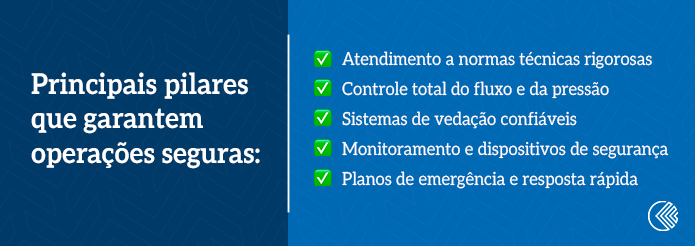
Entre os principais pilares que garantem operações seguras estão:
Atendimento a normas técnicas rigorosas
Processos que envolvem cloro seguem requisitos específicos, como normas brasileiras, os panfletos do Chlorine Institute, voltados à segurança no armazenamento, transporte e utilização;
Controle total do fluxo e da pressão
Equipamentos adequados garantem que o cloro seja conduzido com precisão, evitando variações perigosas;
Sistemas de vedação confiáveis
A vedação eficiente evita vazamentos, que são o principal fator de risco no manuseio do cloro;
Monitoramento e dispositivos de segurança
Tecnologias como válvulas de bloqueio automático e controle de excesso de fluxo reduzem drasticamente o risco de acidentes;
Planos de emergência e resposta rápida
Equipamentos e kits específicos permitem agir imediatamente em caso de vazamentos

O papel da engenharia: soluções aplicadas pela KLINGER Brazil
Empresas como a KLINGER Brazil são fundamentais para garantir que o cloro seja utilizado de forma segura e eficiente na indústria. No contexto do cloro, seu portfólio inclui soluções críticas para segurança operacional:
Válvulas para cilindro de cloro
Responsáveis por estabelecer, controlar e interromper o fluxo do gás ou líquido durante operação e envase;
Válvula angular para cloro
Aplicada em linhas e tanques, atua em conjunto com válvulas de excesso de fluxo para garantir segurança no transporte e uso do cloro líquido a granel;
Válvulas de excesso de fluxo líquido e gás
Dispositivos que interrompem automaticamente o fluxo em situações anormais, prevenindo vazamentos e acidentes;
Kits de emergência para cloro Tipo A, B e C
Conjuntos essenciais para contenção de vazamentos em Cilindro Pequeno de 50/68 Kg (Kit A), Cilindro Grande de 900 Kg (Kit B), e Carreta de Cloro (Kit C), garantindo resposta rápida e eficiente.
Flexíveis de Cobre e conexões especiais
Projetados considerando a alta reatividade do cloro, asseguram conexões seguras entre cilindros e sistemas.
Soluções de vedação (juntas, gaxetas e PTFE)
Materiais de alta performance que garantem estanqueidade mesmo em condições severas de pressão, temperatura e agressividade química.
Por que isso importa?
O cloro possui características tóxicas, oxidantes e corrosivas, o que exige um sistema robusto de controle em toda a cadeia — do transporte ao uso final.
E é justamente nesse ponto que a engenharia faz toda a diferença!

Conclusão
O cloro não deve ser visto como um vilão, mas como uma ferramenta essencial — desde que utilizado com responsabilidade.
A combinação entre profissionais capacitados, processos bem definidos e tecnologia adequada (como as soluções da KLINGER Brazil) é o que transforma um produto potencialmente perigoso em um insumo seguro, controlado e indispensável para a sociedade.
Segurança não é opcional — é projeto, processo e cultura.