

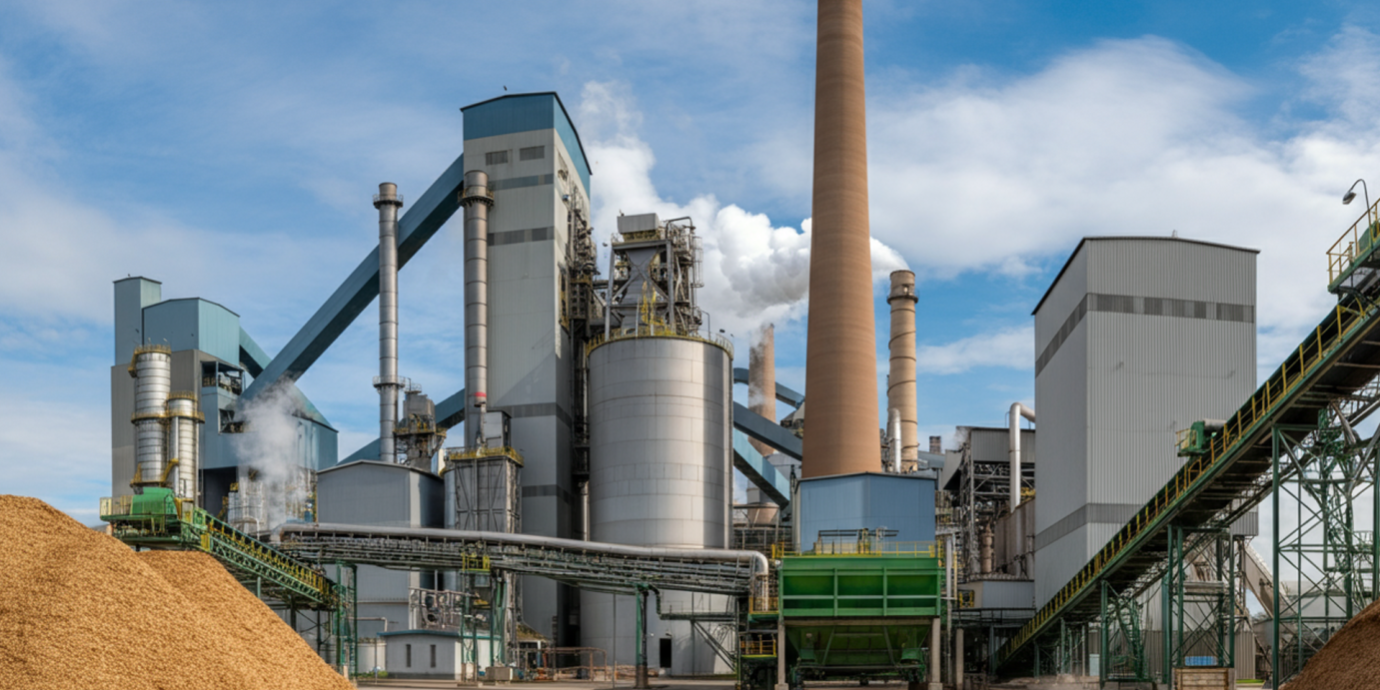
Subjects are systems designed to prevent the escape of pressurized liquids or gases and to prevent contaminants from entering, keeping integrity it's at performance of machines and equipment.
Like this, It is understood that sealing is an essential component for the proper and efficient functioning of any industrial process and, no Paper and Cellulose Sector, It's no different.
Still, This specific segment faces a series of challenges in relation to the seals due to the extreme conditions of operation. High temperatures and pressures during the process, presence of aggressive chemicals such as sulfuric acid, hydroxides and peroxides and even mechanical wear due to the abrasiveness of the materials, require high performance and resistance seals.
When the seals fail, Impacts can be severe, compromising operational efficiency and resulting in high costs with corrective maintenance, unexpected stops and production losses. Not just Reduces productivity, but also affects safety and sustainability of the industrial process.
The specific challenges of the sector
The paper and pulp sector has unique challenges for seals, requiring solutions that support extreme conditions and guarantee the operational continuity. Among the main obstacles, stand out:

➜ aggressive environment
The pulp sector is characterized by the highest level of environmental variability, covering the entire production process, Since transportation of the raw material, that generates dust with the chips, until the drying of cellulose, on machines that operate with very high moisture due to the evaporation of fiber dilution water.
In the same way, O extraction process involves rotating systems, pumping, Dischargers and Mixers, All generating trepidation, What adds challenges.
In the boiler area, pressures that come to 120 bar and overheated bar and steam make the environment even more hostile, with equipment that reaches up to 100 meters high, hindering significantly any kind of management.
➜ Wear and corrosion
Corrosion in the chemical cellulose extraction system is a constant concern. The process, that occurs in an alkaline environment, with high concentration of sodium hydroxide, gaseous oxygen injections via mixers and temperatures that reach 160 Graus Celsius, results in high oxidation levels.
➜ Maintenance cost
Each routine of the cellulose production process is highly specialized, and an inappropriate material specification can result in serious impacts, as unexpected stops or chronic problems that are difficult to solve. However, The real cost of a maintenance stop is not just about the value of the parts, labor or the necessary equipment, as cranes for lifting. The biggest impact comes from the loss of production.
Types of sealing in the paper and pulp industry
In a complex system such as a paper and pulp factory, the prohibition requirements are diverse and essential for the proper functioning of operations. Among the most critical, stand out compression packings for pumps and compressors, as well Juntas and Sealing Rings for flanged applications.
The most used materials, such as teflon and graphite, are chosen for their low reactivity and high resistance to the typical temperature conditions of the process. Another important point is the market for Pre-specific sealing joints, that meet the specific needs of each client, Considering the measurements and conditions of pressure and temperature, as is the case of the balloon board joints.
Regardless of the application point, The main function of gaskets, joints or sealing rings is to guarantee the continuous operation Until the next scheduled stop.
To the Apply the correct material and monitor the system within the pre -established conditions, The sealing will be efficient, The system will continue to operate without failure and the operating condition will be kept at ideal levels, resulting in greater availability of the factory. This increase in availability translates directly into greater profitability.
Application of CORRECT SEALING MATERIAL ➜ System Monitoring under pre -established conditions ➜ System operation without failure and operating condition maintained at ideal levels ➜ Greater factory availability ➜ Endangered profitability.
Waste reduction for the environment
Although the purpose of the sealing is minimize any type of leakage, especially when it comes to chemicals or harmful fluids, It is virtually impossible to completely eliminate the possibility of leaks due to several factors, as a natural wear and tear of materials, unforeseen failures or extreme conditions of operation.
Or focus, then, it is in Effective prevention strategies, Continuous monitoring and leak containment, ensuring that, If they occur, the environmental and operational impact is as little as possible. This includes the choice of proper sealing materials, the implementation of containment systems and the efficient treatment of effluents.
By decreasing leaks, The seal reduces the amount of biochemical particles in the environment, which facilitates the work of microorganisms responsible for the treatment of effluents. These organisms, oxygen, Degrades the waste, making them suitable for SAFE DISPUTE. Fewer leakage, the volume of substances to be treated decreases, reducing chemical consumption and optimizing the process.
In the operational scope, efficient sealing contributes to fewer losses and fewer stops, ensuring greater continuity and safety in operations. E, in relation to disposal, proper use of seals minimizes waste generation, mainly non -recyclable materials, favoring a More sustainable management and prolonged resources.
Klinger solutions for the paper and pulp market
To maintain efficiency and security of industrial processes, It is necessary to use materials suitable for each system. The use of appropriate components contributes to the performance and durability of equipment.
dirt or breaks, We list the appropriate materials for each system and application. check out:
A) Cooking:
Graphite laminate - PSM or RKFlex CER
• Steam lines
KL1080
• Black liqueur and white liquor power valves/valves
• Black liqueur circulation lines/valves
• Ball Digestors - Liquor Displacement System
Sounds gfo
• High pressure feeders
• Low pressure feeders
• Black liquor feeding pumps and white liquor
• Black liqueur circulation pumps and white liqueur
• Top separators
• Background dischargers
B) Washing and bleaching:
Ksil C-4553 (ca.. 120°C water temperature adjustment)
• Liquor lines for debugging dilution
• Steam heating lines for washing and bleaching
• Hot water pumps/condensed washing
KL1080
• Mass lines (pulp) MAIN DEPARTMENT AND WASHING
• Injection lines of sulfuric acid in whitening
• Chlorine dioxide injection lines in bleaching
Sounds gfo
• Background dischargers and separators of all whitening and washing towers
Sounds gfo
• Blowstanque Agitator
• Delaws sealing
• Pulp pumps with low consistency
Calls KL-46
• Mass pump with high consistency (lavage)
• Hot/condensed water pumps (lavage)
• Washing washing and washing (Washing and bleaching)
C) Evaporation:
PSM / RKFLEX CRIR
• For steam lines, condensed and weak liquor with temperatures above 260 degrees
KL1080
• For lines with concentrated liqueur to 260 degrees
KLINGER PSM ou RKFLEX CRIR
• Liquor lines concentrated above 260 degrees
• Tall Oil lines (For softwood factories)
Sounds gfo:
• Concentrated liqueur pumps to 260 degrees
Blades at8202
• Weak liqueur pumps
• Vacuum pumps
• Tall Oil pumping system
D) Recovery boiler:
Graphite Laminate PSM ou RKFLEX CRIR
• For all existing lines and systems, both fuel burning injection and vapor condensate injection
Sounds kl sfgg/sftg
• SFGG-SOPROVER FULLIGHT GRAPHITE AND GAXETA
• SFTG-SOPROVER SOLUTE TEFLON AND GAXETA
• Sealing the blower system
Blades at8202
• Recirculation pumps
• Liquor injection pumps
E) Riot:
Ksil C-4500
• For all lines involving green and white liquor
Blades at8202
• For all green and white liquor pumping systems
